BoardGameWire is proud to be sponsored by:






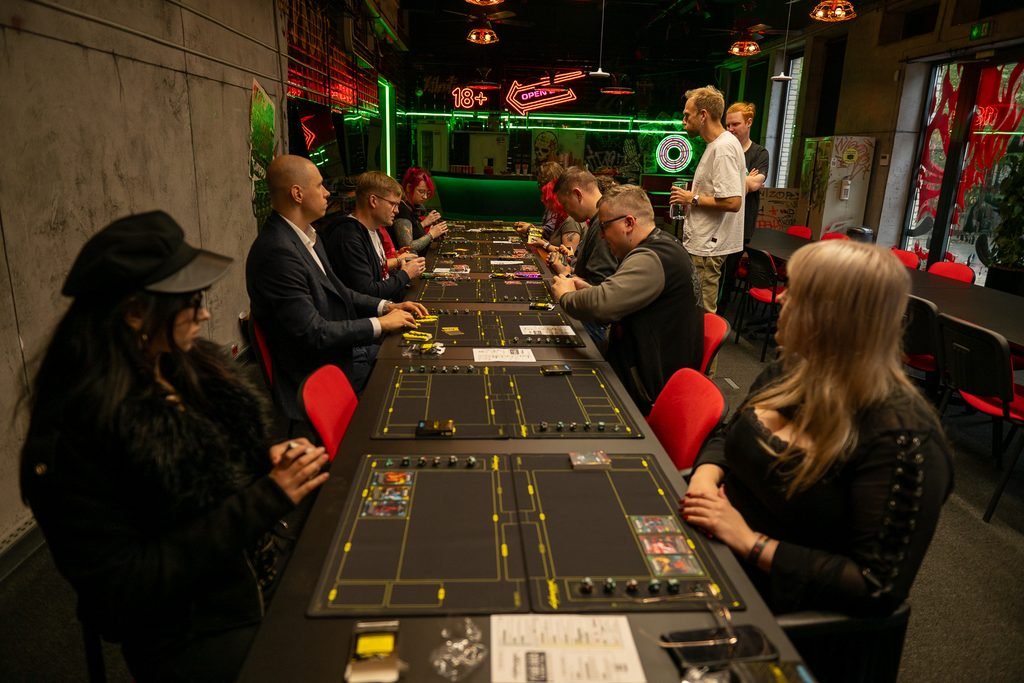
CD Projekt Red, the video game studio behind the massive-selling Witcher titles and Cyberpunk 2077, has established a dedicated tabletop games team, several months after the record-breaking success of its $28m Cyberpunk TCG crowdfunding campaign.
The Poland-based company named long-serving Gwent community manager Paweł Burza as its first Tabletop Games Manager in August, overseeing a newly formalised two-person team responsible for working with external publishers on game development, licensing, commercial strategy and bringing products to market.
Burza told BoardGameWire the company was also open to working with additional tabletop publishing partners beyond its existing relationships – and was interested in moving beyond the large-scale, often expensive games that have characterised its recent tabletop releases, and towards experiences that could be played in around an hour.
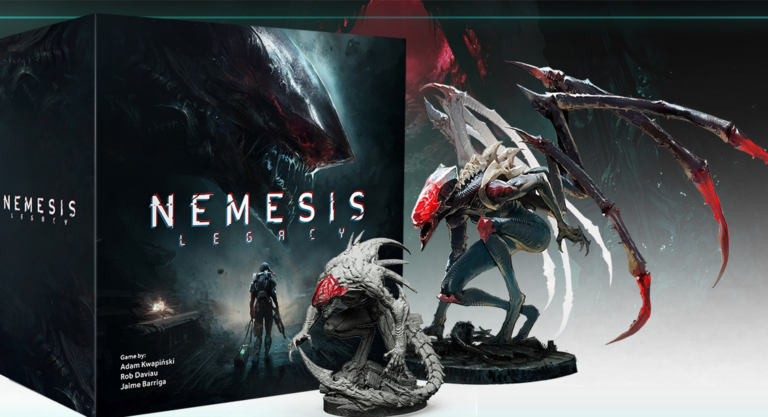
The move follows a string of major crowdfunding successes for games based on CDPR’s franchises – most recently Cyberpunk TCG, while publishing partner Go On Board has attracted more than $45m in crowdfunding and subsequent pledges across four Witcher and Cyberpunk board game projects since 2021.
Burza said the extraordinary response to Cyberpunk TCG had reinforced CDPR’s confidence in the tabletop market, although he stressed that it had not fundamentally changed the company’s approach to choosing projects.
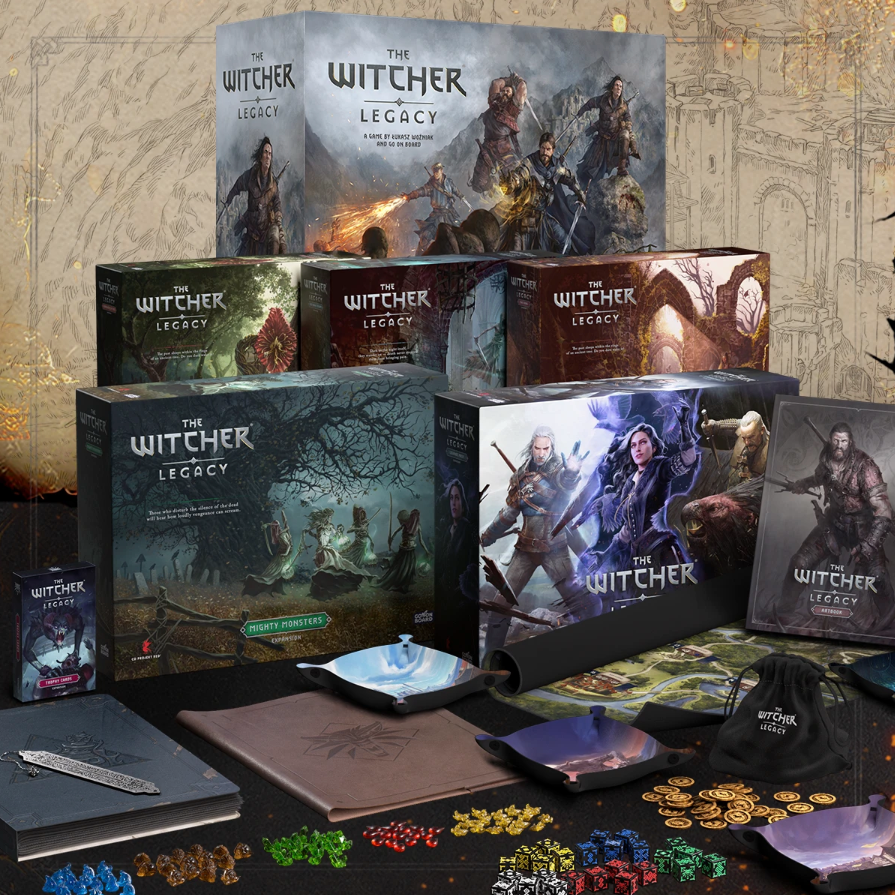
He told BoardGameWire, “It’s a new role, but at the same time, the work itself isn’t entirely new for us. This is the first time we’ve officially had a Tabletop Games Manager position, but we’ve had people responsible for tabletop projects since we started working with Go On Board on The Witcher: Old World years ago.
“As our tabletop portfolio started to grow, especially with projects like Cyberpunk Trading Card Game, it became clear that we needed more dedicated resources and a team focused specifically on this part of our business.”
While the core tabletop operation currently consists of just two people, Burza said it draws on expertise from across CDPR, including its business development, creative, marketing and PR departments.
He added that its responsibilities extend beyond just licensing approvals, and into working closely with publishers throughout development, helping shape commercial strategy and coordinating the timing of releases.
Burza said the company was particularly conscious of avoiding its licensed products competing for attention with each other – echoing comments made to BoardGameWire earlier this year by Asmodee’s Luke Peterschmidt about coordinating releases across the Lord of the Rings and Hobbit tabletop licences.
“We look for partnerships that make sense for our IPs, but also consider how they fit into our broader publishing and franchise plans,” Burza said.
“Timing is really important here – we want to avoid situations where several products are competing for attention at the same time. We want every partner and every project we commit to to have the space and support it needs to really shine.”
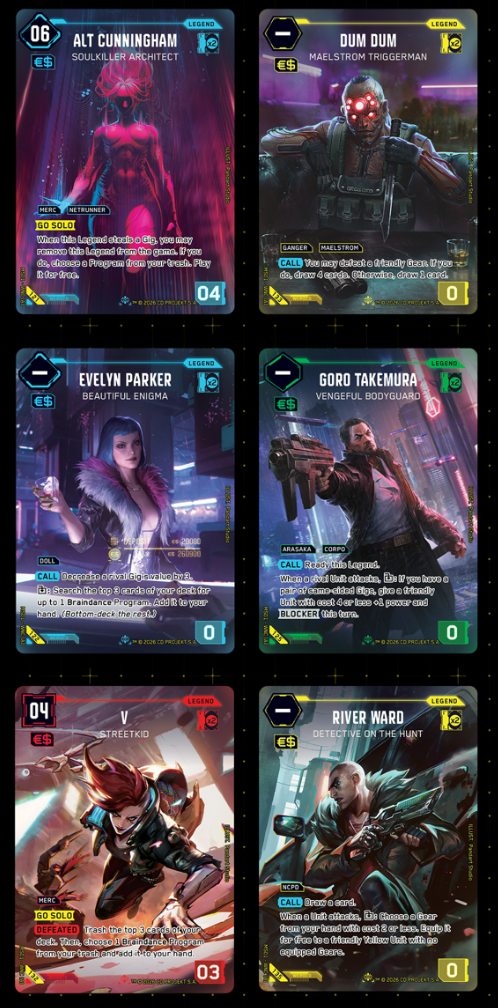
Burza said tabletop was becoming an increasingly important part of CDPR’s wider strategy for developing The Witcher and Cyberpunk beyond video games, with physical products offering opportunities both to keep existing fans engaged and introduce new audiences to the titles.
“You might be surprised how many times I’ve heard someone say, ‘I really like this TCG, now I have to try Cyberpunk 2077’, and I love that because it shows the relationship can work both ways,” he said.
Burza added, “I never want our tabletop games to simply fill a gap between major video game releases. They need to stand on their own as great games and offer something meaningful to tabletop players first.”
Recent CDPR-licensed projects have largely centred on substantial, often miniatures-heavy productions – but Burza told BoardGameWire the company was interested in broadening that approach, seeing smaller games as offering an opportunity to reach players who might not have the time or appetite for lengthy tabletop campaigns.
“One area we’d also like to explore in the future is more approachable tabletop games, that you can sit down and play in around an hour,” he said.
“A lot of our recent projects have focused on bigger experiences and campaigns that can span many hours or days. While we love those games, I think there’s also a lot of potential in creating something smaller and easier to get to the table.”
Burza brings extensive experience of smaller form-factor games to the new role, having worked on Gwent: The Witcher Card Game since its beginnings as a standalone digital game.
He said that experience, which included years spent working directly with its player community, had reinforced the importance of listening to players, being transparent about development and continuing to support games after launch – lessons he believes are equally relevant to physical tabletop publishing.
“One of the biggest lessons for me was that you shouldn’t be afraid to have that dialogue,” he said. “Players who spend hundreds or even thousands of hours with your game will understand it in ways you can’t, and there’s a lot you can learn from them.”
Burza said CDPR would continue relying on specialist external publishers rather than developing its tabletop games in-house, seeking partners with expertise in game design, production and bringing physical products to market. But he stressed that understanding the underlying franchises was just as important as those capabilities.
Asked whether CDPR was looking for additional tabletop partners beyond its existing relationships with Go On Board and WeirdCo, Burza said the company was “always open to interesting opportunities and conversations”.
He added that proposals from prospective partners needed to demonstrate a clear connection to the underlying intellectual property, rather than simply attaching a recognisable brand to a game that could work equally well without it.
“We’re not interested in simply putting our logo or one of our IPs onto an existing concept if it doesn’t feel like a natural fit,” he said. “The best projects come from genuine collaboration, where both sides bring their expertise to the table.”
The company also expects to continue making decisions about crowdfunding and traditional retail releases alongside its publishing partners, rather than committing to a single route to market.
When asked what a successful tabletop arm of CDPR might look like in three to five years, Burza said, “For me, success would mean having a diverse portfolio of tabletop games that different types of players could enjoy – from bigger, more involved experiences to games that are easier to get to the table – across our different IPs.”
But he stressed that the aim was not simply to maximise the number of games carrying CDPR’s brands.
“We want every project to have a reason to exist and bring something meaningful to the IP, rather than reaching a point where there are so many products that they start to dilute what makes The Witcher or Cyberpunk special.”