BoardGameWire is proud to be sponsored by:




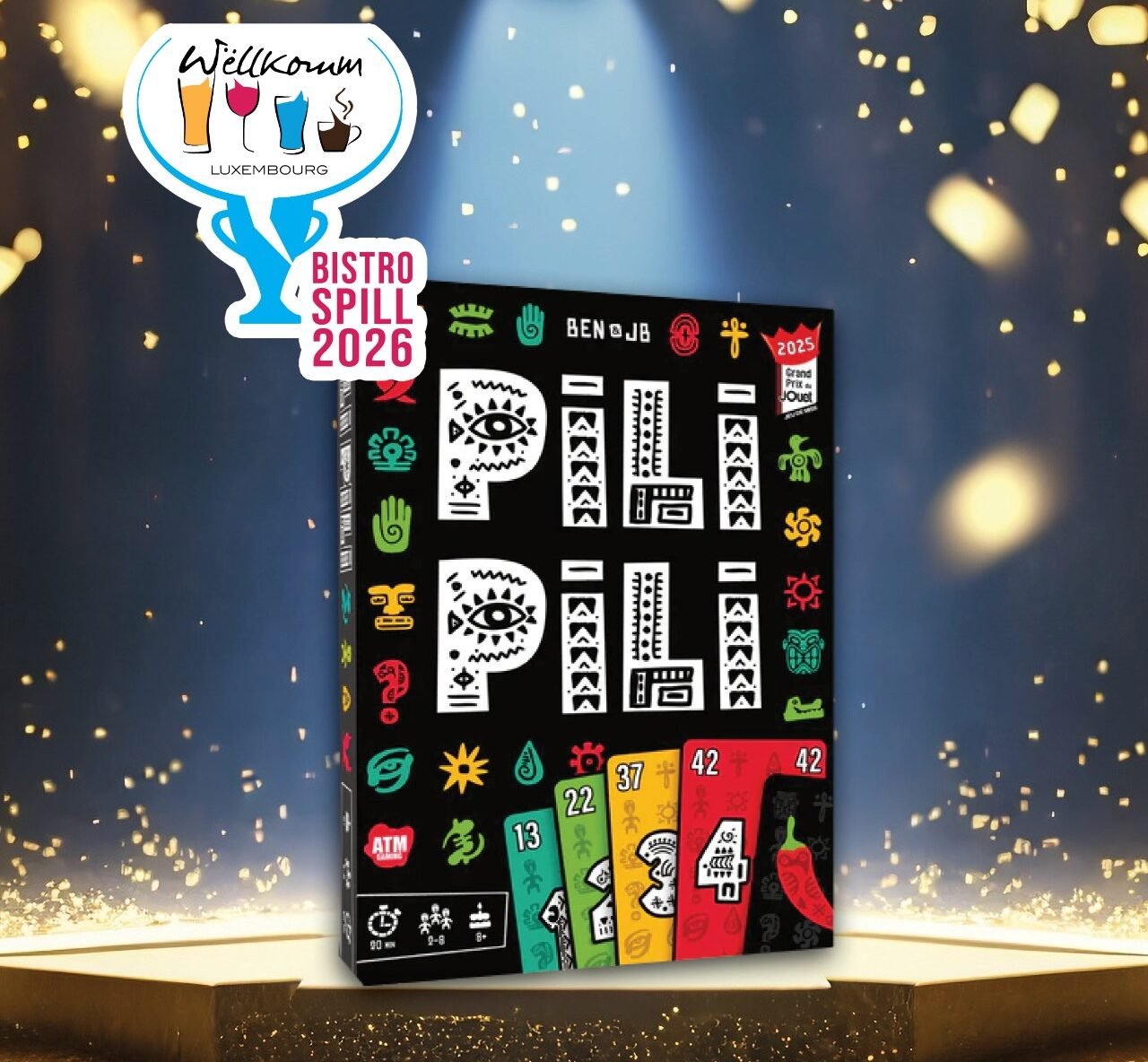

Luxembourg’s hospitality industry has named trick-taker Pili Pili as its board game of the year, continuing an eight-year initiative aimed at getting modern hobby games onto the tables of cafés, bars and restaurants.
Rather than solely recognising the best game of the year, the Bistrospill award is designed to encourage hospitality businesses to offer games for their customers to play, with the aim of reviving a tradition of cafés and bistros as spaces “buzzing with social life, where bonds were forged over a game of cards or dice”.
Bistrospill been run since 2018 by Horesca, Luxembourg’s association of hotels, restaurants and cafés, alongside the country’s biggest board game club Spillfabrik.
Horesca, which represents about 2,900 businesses, said it wants to re-establish tabletop gaming as a “vibrant part” of Luxembourg’s hospitality culture, harking back to the popularity of trick-taking games such as Whist and Belote in the 19th and early 20th century.
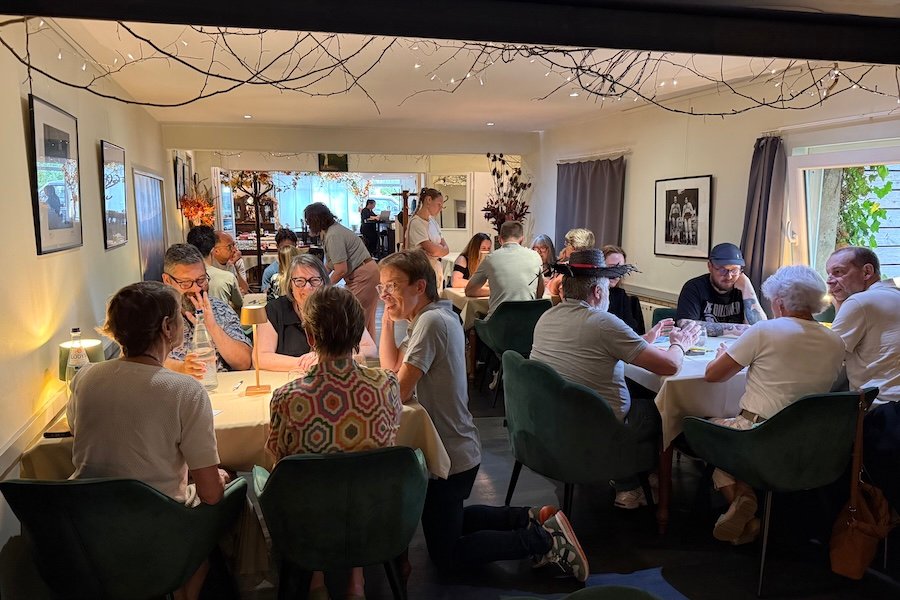
The organisation has persuaded cafés and bars to hold gaming afternoons and evenings, while participating businesses have been offered kits including posters, simplified rules, printed beer mats and suggestions for activities.
Its latest material also encourages hospitality businesses to keep a small selection of games available to customers, arguing that venues do not need to become dedicated board game cafés, and that a small shelf or clearly identified box of carefully chosen titles can be enough.
Spillfabrik is responsible for preselecting games suited to the bistro environment as part of the initiative, focusing on titles which are easy to explain, compact enough for café tables, playable by several people and sufficiently interactive to work in a social setting.
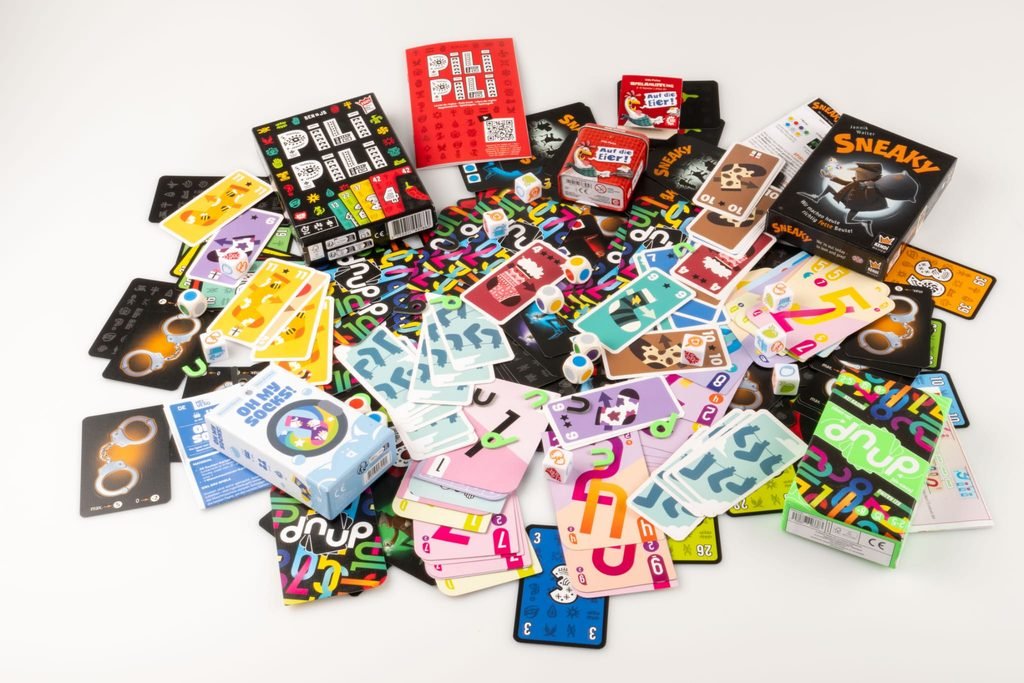
Publishers submitted 76 games for this year’s Bistrospill, with Spillfabrik whittling those down to five finalists – Udo Peise’s design Auf die Eier, Kei Kajino’s dnup, Antoine Bauza and Théo Rivière’s design Oh My Socks! and Sneaky, by Jannik Walter, as well as eventual winner Pili Pili.
Pili Pili was created by Ben B and Jean-Baptiste de Ghellinck, the founders of French party game publisher ATM Gaming – which was acquired by board game giant Asmodee earlier this year in a deal worth up to €250m.
Players predict how many tricks they will take each round, receiving penalties if they miss their target, while mission cards alter the rules as the game progresses.
The game’s roughly 20-minute playtime, compact card-based format and simple rules were among the elements highlighted by Bistrospill organisers as making Pili Pili particularly suited to cafés and bars.
Previous Bistrospill winners have included Illusion, Calavera, Pearls, Hula-Hoo!, Split It, Trio, Quando and last year’s victor Flip 7.